
 November 12, 2025 12:00 pm
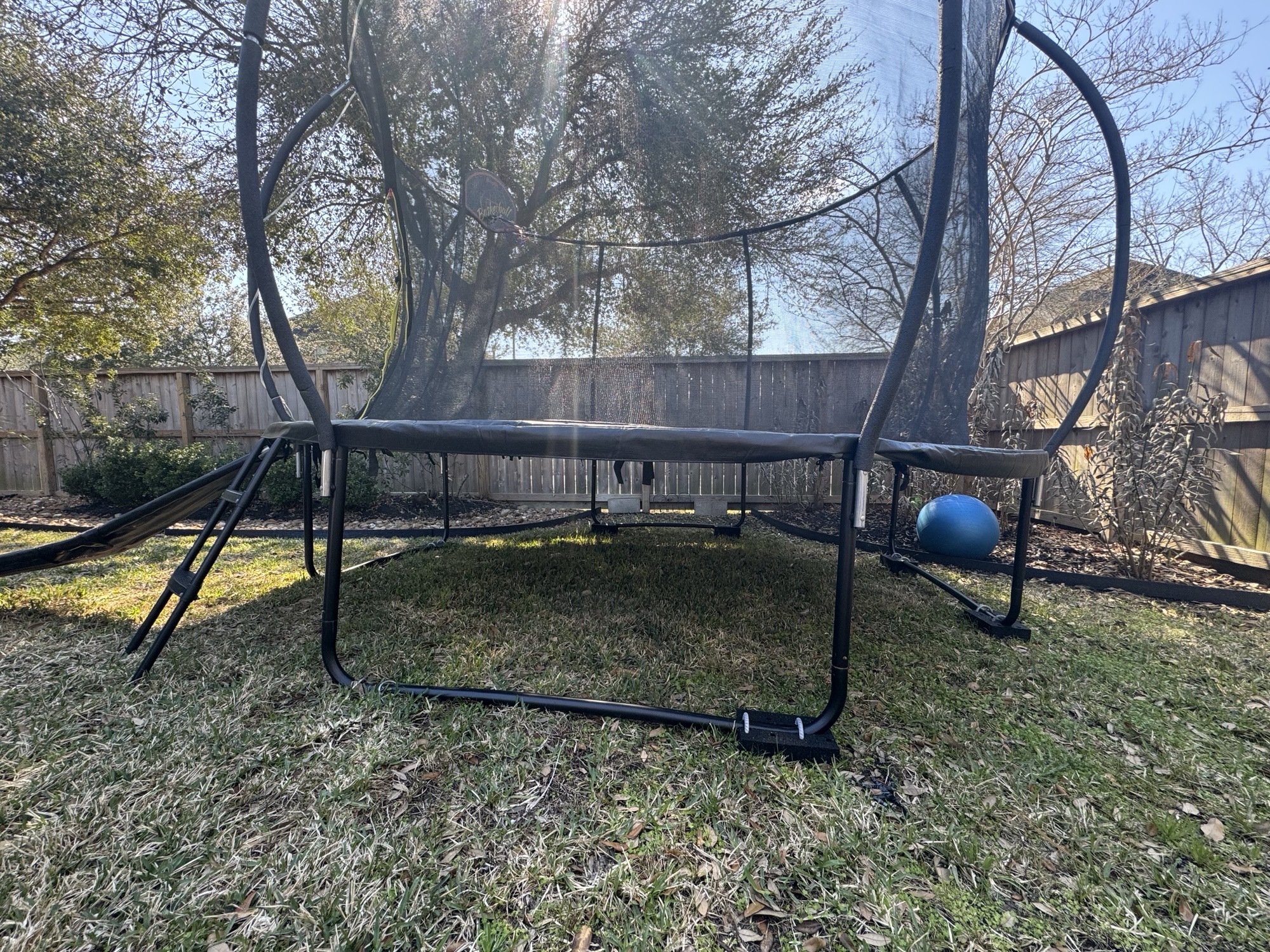
If you’re installing a swing set or trampoline, getting the ground level is a must, not just for visual appeal, but for safety and equipment longevity. The foundation your play equipment rests on matters, and that starts with the materials you choose to level the ground. While many people consider using traditional methods like concrete or sand, rubber leveling blocks are increasingly becoming the smarter, more efficient choice.
Let’s break down the benefits of rubber and compare rubber vs concrete blocks and rubber vs sand for leveling, so you can make the best choice for your backyard play area.
1. Safety First: Rubber Outperforms Concrete and Sand
When it comes to safety, rubber leveling blocks take the top spot. Concrete blocks can chip, crack, and have sharp edges that pose a risk to kids playing nearby. Sand, while soft, can shift easily, creating instability over time. Rubber, on the other hand, is forgiving, flexible, and stable.
Rubber blocks offer a soft-yet-firm surface, absorbing minor shocks and resisting cracking. This feature is especially important under leveling blocks for swing sets, where stability and child safety are non-negotiable.
2. No Shifting Like Sand
Sand is often seen as a budget-friendly filler material, but it’s far from ideal for maintaining long-term ground stability. Over time, sand can erode, shift during rain, or be displaced by children running and jumping. This constant movement makes it an unreliable choice for keeping structures level.
Rubber blocks, by contrast, are solid and stay in place. They don’t get washed away or require constant replenishing. If you’re looking for the best leveling method for trampolines, rubber will outperform sand by a long shot.
3. No Cracking Like Concrete
Concrete may appear durable on the surface, but exposure to moisture, freezing temperatures, and general wear and tear causes cracking over time. These cracks compromise the integrity of the leveling surface and often require expensive replacements or repairs.
Rubber doesn’t crack. It flexes under pressure and adapts to temperature changes without breaking down. This makes rubber leveling blocks a far more durable playground leveling material than concrete, especially in areas with fluctuating climates.
4. Easy to Install and Move
If you’ve ever tried moving concrete blocks, you know how heavy and awkward they are. Installation typically requires tools, cement, and significant effort. With rubber blocks, it’s a different story, they’re lightweight, easy to handle, and don’t require special tools.
Need to adjust your setup or relocate the swing set? Rubber blocks make it easy. They’re perfect for homeowners who value convenience and want flexibility with their playground leveling solutions.
5. Eco-Friendly and Recycled Material
Many rubber leveling blocks are made from recycled materials, including repurposed tires. Choosing rubber supports sustainability by reducing waste and giving new life to used rubber products. Concrete production, on the other hand, contributes significantly to CO2 emissions, and sand extraction can lead to environmental degradation.
If being eco-conscious matters to you, rubber clearly wins in the rubber vs concrete blocks and rubber vs sand for leveling comparison.
6. Weather-Resistant and Low Maintenance
Rain, snow, sun, outdoor equipment faces all kinds of weather, and your leveling material should be able to withstand it. Concrete is porous and prone to absorbing moisture, which causes cracks in freezing weather. Sand can be blown away or washed out during storms.
Rubber? It resists water, doesn’t freeze, and stays in place. That makes it ideal for year-round use with minimal upkeep. Whether it’s hot summer sun or icy winters, rubber leveling blocks hold up.
7. Provides a Clean, Finished Look
Aesthetics may not be your top concern, but having a clean, professional-looking play area does matter. Sand often looks messy and uneven, and concrete can become stained or cracked. Rubber blocks offer a consistent, clean look that enhances the overall presentation of your swing set or trampoline setup.
Plus, they’re available in different shapes and sizes to match your equipment needs, making them a sleek choice for leveling blocks for swing sets or trampolines.
8. Cost-Efficient Over Time
While rubber blocks may carry a slightly higher upfront cost than a bag of sand or a few concrete pavers, they more than make up for it in the long run. The durability and minimal maintenance mean fewer replacements, less repair work, and more time enjoying your backyard instead of fixing it.
If you’re thinking long-term and want the best value for your money, rubber leveling blocks come out on top.
Conclusion: The Smarter Choice for Backyard Playgrounds
When comparing rubber vs concrete blocks and rubber vs sand for leveling, the choice becomes clear. For safety, durability, weather resistance, and ease of use, rubber leveling blocks offer unmatched advantages. Whether you’re setting up a new trampoline, installing a swing set, or upgrading your existing backyard play area, rubber provides the secure foundation you need.
If you want long-lasting results with minimal maintenance and maximum safety, rubber is the clear winner for any playground leveling solutions.
Categorised in: Uncategorized