
 March 11, 2026 12:00 pm
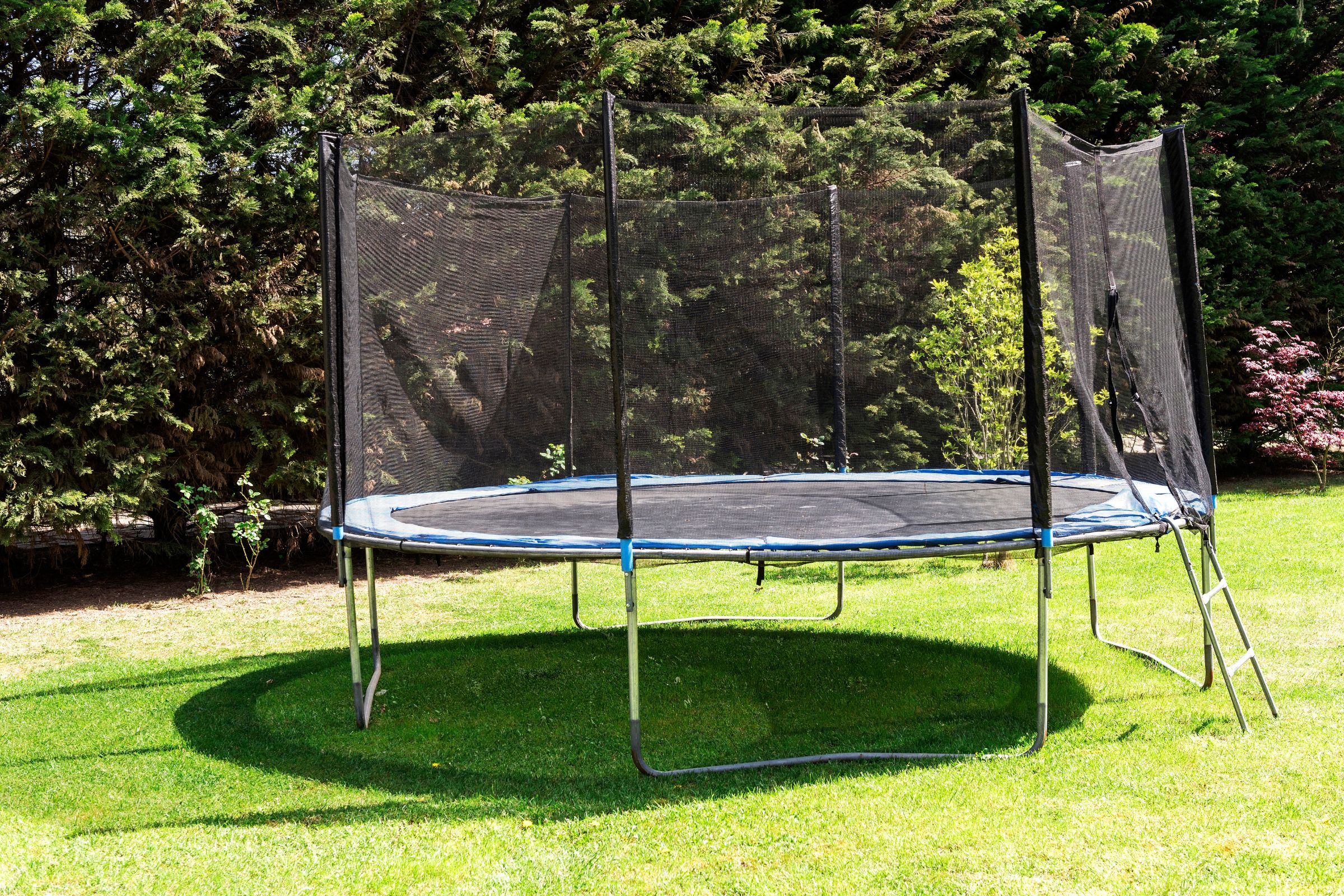
A trampoline is one of the best ways to bring fun and energy to your backyard, but safety should always come first. One of the most common concerns homeowners face is figuring out how to keep a trampoline from tipping over. Whether it’s due to uneven ground, strong winds, or improper setup, an unstable trampoline can quickly become a hazard.
The good news is that with proper leveling and anchoring, you can create a safe, secure setup that lasts. In this guide, we’ll walk you through practical steps to keep your trampoline stable and give you peace of mind.
Why Do Trampolines Tip Over?
Before diving into solutions, it’s important to understand the root of the problem. Trampolines typically tip or shift due to three main factors:
- Uneven ground that causes imbalance
- Soft soil that allows legs to sink over time
- Strong winds that lift or move the frame
If any of these issues are present, your trampoline is at risk. Addressing them early is key to long-term safety.
Start with Proper Ground Leveling
The first and most important step is ensuring your trampoline sits on level ground. If the surface is uneven, the weight distribution becomes off balance, making tipping much more likely.
To fix this:
- Choose a flat area in your yard with minimal slope
- Remove debris like rocks, roots, and grass buildup
- Check for high and low spots using a level
- Fill or remove soil as needed to create an even surface
If you’re planning on Leveling the ground for more than just a Trampoline, see our Guide on leveling the ground for a swingset below:
How to Level The Ground for a Swingset
Leveling does not have to mean digging up your entire yard. Small adjustments can make a big difference in overall stability.
Use Support Solutions for Uneven or Soft Ground
Even after leveling, some yards naturally shift or remain soft. This is especially common in areas with heavy rain or loose soil. In these cases, adding support under the trampoline legs helps maintain balance over time.
Using stabilization solutions designed for outdoor equipment can prevent sinking and keep your trampoline level, even as conditions change. These are especially useful for long-term performance and reducing maintenance.
Sometimes, leveling equipment, or an adjacent support, comes with your purchase of a trampoline or installation.
You can explore options here:
Anchor Your Trampoline for Maximum Safety
Leveling alone is not enough. Anchoring your trampoline is essential, especially if you live in an area with strong winds or storms.
If you’re wondering how to anchor a trampoline, here are the most effective anchoring methods:
1. Ground Anchors
These screw into the soil and attach to the trampoline frame with straps. They are one of the most popular and reliable options.
2. Auger-Style Anchors
Ideal for softer ground, these anchors twist deep into the soil, providing a strong hold.
3. Weight-Based Anchors
In some cases, adding weight to the base can help, but this is less reliable than in-ground anchoring.
Anchoring helps prevent both tipping and sliding, making it a critical step in trampoline safety.
Check Stability Regularly
Even after proper setup, your work is not done. Outdoor conditions change, and regular checks ensure your trampoline stays safe.
Make it a habit to:
- Inspect the legs for sinking or shifting
- Check that the frame remains level
- Tighten any loose parts
- Reassess anchors after storms or heavy use
Routine maintenance can prevent small issues from turning into major problems.
Consider Placement and Surroundings
Where you place your trampoline also plays a role in stability.
Avoid areas that are:
- Sloped or uneven
- Close to fences or trees
- Prone to water pooling or erosion
A well-chosen location reduces the chances of tipping and makes leveling easier from the start.
Common Questions About Trampoline Stability
How do I know if my trampoline is level?
Place a level across the frame. If the bubble is centered, your trampoline is level. If not, adjust the legs or ground beneath.
Can I put a trampoline on grass?
Yes, but grass alone may not provide long-term stability. The ground beneath should still be leveled and supported.
What causes trampoline legs to sink?
Soft soil, moisture, and repeated use can cause gradual sinking. Adding support under the legs helps prevent this.
Do I need anchors if my trampoline feels stable?
Yes. Even if it feels stable, wind and movement can shift it over time. Anchors provide added protection.
Building a Safer Backyard Setup
Keeping your trampoline from tipping over comes down to two key factors: proper leveling and secure anchoring. When both are done correctly, you create a stable foundation that supports safe play and long-term use.
If you are setting up a new trampoline or fixing an existing one, taking the time to address ground conditions will save you from future headaches. A few simple adjustments now can prevent costly damage and reduce safety risks later.
For more tips and solutions designed to improve outdoor setup and stability, Explore Our Site and start building a better backyard!
Categorised in: Uncategorized